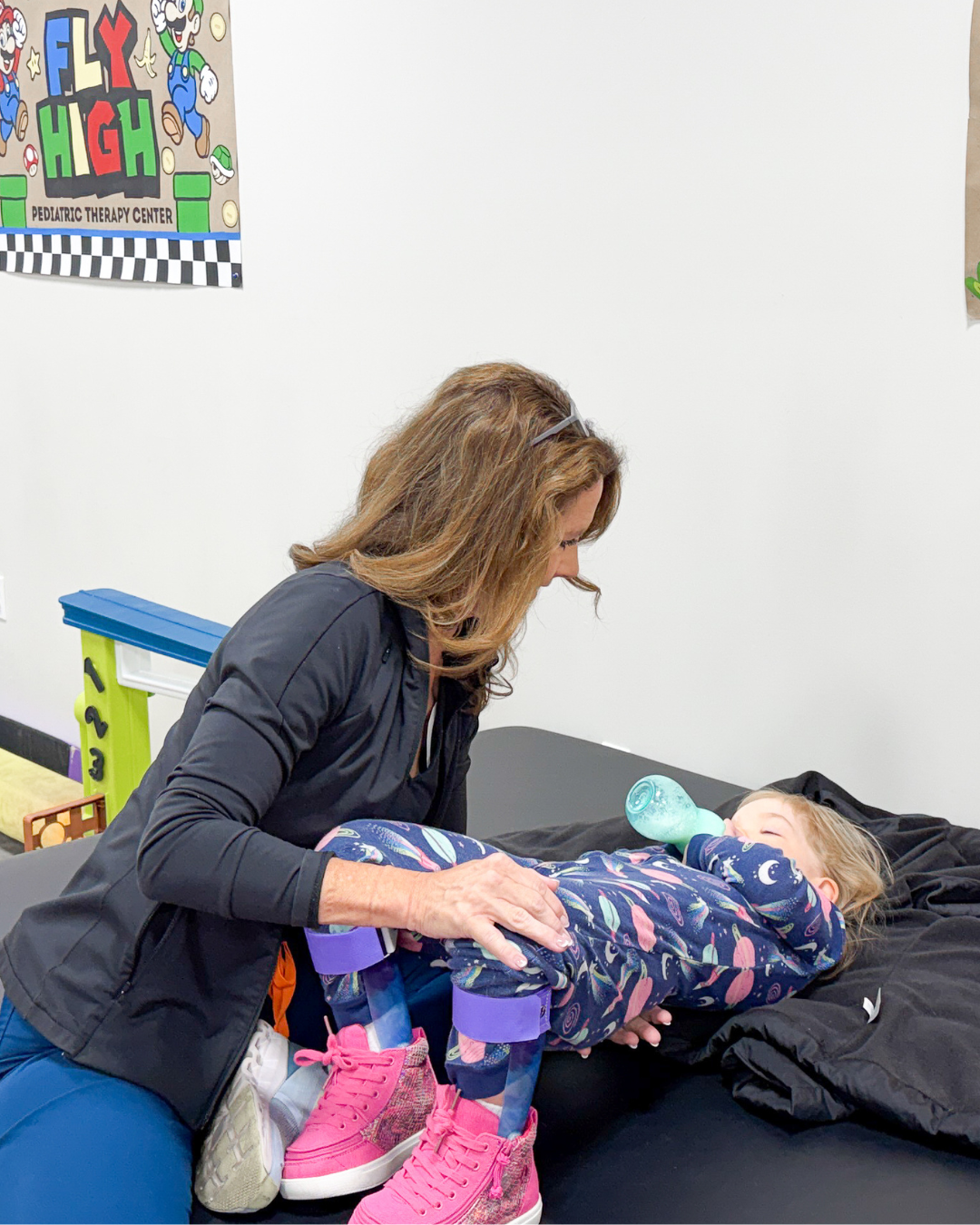
DMI THERAPY
Dynamic Movement Intervention (DMI) is a comprehensive, hands-on therapeutic technique used by physical and occupational therapists to treat children with gross motor impairments. It focuses on provoking specific, automatic movement responses to improve postural control, balance, and functional milestones like sitting or walking. DMI is suitable for children of all ages, including infants, with various neurological conditions.
KEY ASPECTS OF DMI THERAPY
Purpose: To improve neuroplasticity—the brain’s ability to form new neural connections—leading to improved motor skills.
Methodology: Therapists use hands-on, often distal (far from the trunk) support to encourage a child to move, reducing support as they improve.
Key Focus Areas: Alignment, range of motion, and sensory integration.
Target Population: Children with Cerebral Palsy, Down syndrome, hypotonia (low muscle tone), global developmental delays, and genetic disorders.